















Driver Quiz For NGO Drivers in Nigeria: 10 Questions on Road Safety Security and Journey Management
A driver in an NGO project is not just the person behind the wheel. The driver helps the team reach communities safely, keeps project materials secure, supports field schedules, and often becomes the first person to notice road or security risks.
In Nigeria, NGO and development work can involve long road trips, rough roads, crowded cities, rural routes, checkpoints, and changing security conditions. A good driver must know more than how to drive. They must understand the mission, follow traffic rules, manage trips properly, and protect lives.
This 10 Questions Driver Quiz for NGO Drivers in Nigeria on Road Safety Security and Journey Management can be used during orientation, recruitment, refresher training, or before assigning a driver to field movement.
Each question has four options. The correct answer is given after the question, with a short note for learning.

Why NGO Drivers Matter in Project Work
NGOs and development organizations work to support communities. Their projects may focus on health, education, food security, water and sanitation, protection, livelihoods, or emergency response.
Drivers help make this work possible. They move staff, supplies, documents, equipment, and sometimes community materials from one location to another. If the driver is late, careless, or unprepared, the whole activity can suffer.
A strong NGO driver should be able to:
Drive safely on highways, city roads, and rural routes.
Understand approved travel plans and movement rules.
Respect security advice and report risks early.
Keep vehicle records accurate.
Treat staff, partners, and community members with respect.
Stay calm during delays, checkpoints, bad weather, or emergencies.
A good driver protects people, time, vehicles, and project results.
How to Use This Quiz
This quiz is simple and practical. It is suitable for drivers working with NGOs, development agencies, humanitarian teams, contractors, or project vehicles in Nigeria.
Use it in any of these ways:
During driver orientation.
As part of a job interview.
Before field deployment.
After safety training.
As a refresher during monthly driver meetings.
Suggested scoring:
Score | Readiness Level | Meaning |
8 to 10 | Strong | Ready for field movement, with normal supervision |
6 to 7 | Fair | Needs coaching before difficult trips |
0 to 5 | Low | Needs training before project driving |
The goal is not to embarrass anyone. The goal is to build safer habits.

The 10-Question NGO Driver Orientation Quiz
1. What is one main role of NGOs and development organizations?
A. To support communities through projects and services
B. To make drivers work longer hours without rest
C. To ignore local laws during field work
D. To use vehicles for private business
Correct answer: A
NGOs and development organizations support communities through planned projects. These may include health outreach, education support, food assistance, water projects, or emergency response. Drivers help these projects reach the right people at the right time.
2. Why is the driver important during project activities?
A. The driver only drives and has no other responsibility
B. The driver helps move people and items safely for project work
C. The driver decides project budgets
D. The driver can change the travel plan without telling anyone
Correct answer: B
The driver supports project delivery. Safe driving, good timing, respect for movement plans, and care for the vehicle all help the project succeed. A professional driver also protects the lives of passengers.
3. What should a driver know about Nigeria’s road network before a trip?
A. Only the name of the destination
B. Main route, alternative route, road condition, and travel time
C. Only the fuel price
D. The shortest route, even if it is unsafe
Correct answer: B
Nigeria has federal roads, state roads, city roads, and rural roads. Some roads may have potholes, heavy traffic, flooding, construction, or security concerns. A driver should understand the approved route and know a safe alternative if needed.
4. What is the best action at an official checkpoint?
A. Speed through before anyone stops the vehicle
B. Stop calmly, greet respectfully, and follow organization procedures
C. Argue loudly with officers
D. Hide vehicle documents
Correct answer: B
At checkpoints, the driver should stay calm and respectful. Reduce speed, stop in a safe place, keep hands visible, and follow the organization’s procedure. The driver should not argue, offer unauthorized payments, or allow passengers to behave carelessly.
5. Which traffic rule is correct for safe driving in Nigeria?
A. Use a phone while driving if the road is clear
B. Wear a seat belt and ensure passengers use theirs
C. Overtake at blind corners if the vehicle is powerful
D. Ignore traffic lights when there is no officer nearby
Correct answer: B
Seat belts save lives. Drivers should also respect speed limits, traffic lights, road signs, lane discipline, and instructions from lawful traffic officials. Using a phone while driving is dangerous and should be avoided.

6. Before a field trip, what travel administration item should be confirmed?
A. Approved movement plan and passenger list
B. Favorite music playlist only
C. Personal errands along the way
D. Unapproved change of destination
Correct answer: A
A driver should confirm the approved movement plan, passenger list, destination, departure time, expected return time, contact person, and check-in arrangement. This is part of journey management. It helps the office know where the vehicle and team are.
7. What should a driver do if the planned route becomes unsafe?
A. Continue because the trip has already started
B. Stop in a safe place and contact the supervisor or security focal point
C. Ask passengers to vote on what to do
D. Drive faster to pass the area quickly
Correct answer: B
If a road becomes unsafe due to violence, flooding, protest, accident, blocked road, or suspicious activity, the driver should not take personal risks. Stop at a safe location if possible and contact the right person. Follow approved instructions.
8. What is defensive driving?
A. Driving aggressively so other drivers fear you
B. Driving in a way that prevents accidents and allows time to react
C. Using the horn at every vehicle
D. Following the vehicle in front very closely
Correct answer: B
Defensive driving means thinking ahead. A defensive driver keeps a safe distance, watches mirrors, checks blind spots, controls speed, and expects mistakes from other road users. This is very useful on Nigerian roads, where conditions can change quickly.
9. What should a driver check before starting a journey?
A. Fuel, tires, brakes, lights, water, oil, tools, and documents
B. Only the outside body of the vehicle
C. Only whether passengers are ready
D. Nothing, if the vehicle worked yesterday
Correct answer: A
A pre-trip check reduces breakdowns and delays. The driver should check fuel level, engine oil, water or coolant, brake function, tire pressure, spare tire, jack, lights, horn, wipers, first aid kit, fire extinguisher, and vehicle documents.
10. If an accident or security incident happens, what should the driver do first?
A. Run away from the scene
B. Protect life, move to safety if possible, and report through the proper channel
C. Post the incident on social media
D. Blame another driver immediately
Correct answer: B
Life comes first. The driver should stay calm, avoid more danger, assist injured people if safe to do so, and report the incident to the supervisor, security focal point, or emergency contact. The driver should not share sensitive details publicly.
Answer Key for Quick Review
Use this section after the quiz if the trainer wants to mark quickly.
Question | Correct Answer | Main Topic |
1 | A | Role of NGOs |
2 | B | Importance of drivers |
3 | B | Nigeria road network |
4 | B | Security awareness |
5 | B | Traffic rules |
6 | A | Travel administration |
7 | B | Journey management |
8 | B | Defensive driving |
9 | A | Vehicle readiness |
10 | B | Incident response |
Short Trainer Notes for Each Focus Area
Knowledge of Nigeria’s road network
A driver should know that road conditions can differ from one state to another. A highway may be smooth in one section and damaged in another. A rural road may become difficult during heavy rain. City traffic in places like Lagos, Abuja, Kano, Port Harcourt, or other urban areas can also affect timing.
The driver should ask simple questions before travel:
Which route has been approved?
Is there an alternative route?
Are there known risks on the road?
Where can the team stop safely?
What time should the team depart and return?
Security awareness
Security awareness does not mean panic. It means paying attention. A driver should notice crowds, roadblocks, unusual movement, aggressive behavior, damaged bridges, flooded sections, or signs of unrest.
Good security behavior includes:
Keeping doors locked when needed.
Parking in safe and approved places.
Avoiding night travel unless approved.
Not discussing sensitive trip details with strangers.
Reporting concerns early.
Traffic rules and regulations
An NGO driver must set a good example on the road. That means no speeding, no drunk driving, no phone use while driving, no unsafe overtaking, and no carrying unauthorized passengers.
Safe conduct protects the organization’s name and protects the community. A project vehicle should never become a danger to the people it is meant to serve.
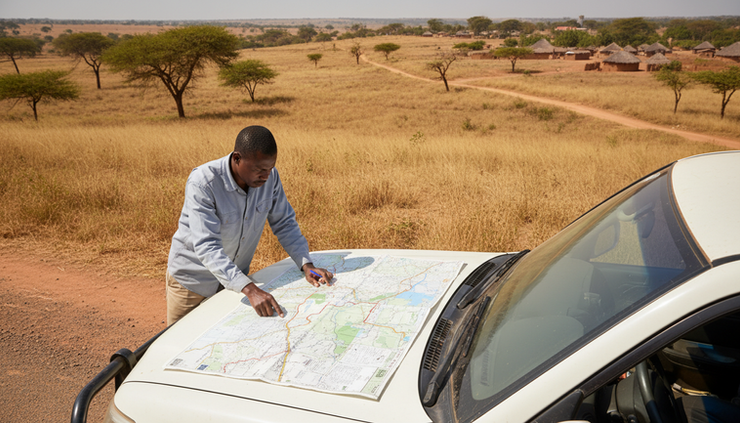
Travel administration and journey management
Journey management is the plan for safe movement. It helps the organization know who is traveling, where they are going, why they are going, and when they should return.
A good driver should not treat trip paperwork as a burden. Movement approvals, logbooks, fuel records, passenger lists, and check-in calls help protect everyone.
Basic journey management questions include:
Is the trip approved?
Is the vehicle assigned for this movement?
Are the passengers listed?
Has the route been cleared?
Is the driver fit and rested?
Has the vehicle been checked?
Defensive driving skills
Defensive driving is one of the most important skills for NGO drivers in Nigeria. Roads may include motorcycles, trucks, pedestrians, animals, broken-down vehicles, markets close to the roadside, and drivers who do not follow the rules.
A defensive driver does not rush into danger. They slow down near schools, markets, junctions, bends, potholes, and wet roads. They keep enough space from other vehicles and avoid competition on the road.
Simple Readiness Checklist for NGO Drivers
Before any field movement, the driver should be able to say “yes” to these points:
I understand the purpose of the trip.
I know the approved route and destination.
I have checked the vehicle.
I have the correct documents.
I know who is traveling.
I know the check-in plan.
I know who to call in an emergency.
I am rested and fit to drive.
I will follow traffic rules.
I will report risks early.
If the answer is “no” to any key point, the trip should be reviewed before departure.
Final Takeaway
NGO drivers play a major role in safe and successful project work. They do more than move a vehicle from one place to another. They help protect staff, communities, supplies, time, and the reputation of the organization.
A driver who understands road safety, security awareness, traffic rules, journey management, and defensive driving is better prepared for field work in Nigeria. Use this quiz often, discuss the answers, and turn each question into a practical habit before the next trip.
YOU CAN VIEW OUR TRAINING PAGE FOR DRIVERS' COURSES: https://www.c4aik.org/ingosphere9ja



Comments