










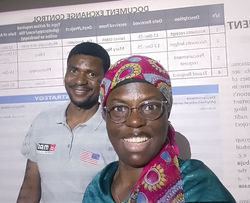


Empowering NGOs Through Nonprofit Skill Building in Abuja
The development sector in Abuja is witnessing a transformative phase, driven by the increasing recognition of skill development as a critical factor for the success of nonprofit organizations. As a professional deeply involved in this sector, I have observed that equipping NGOs with the right skills not only enhances their operational efficiency but also amplifies their impact on communities. This blog post explores the significance of nonprofit skill building in Abuja, practical approaches to fostering these skills, and the broader implications for sustainable development.
The Importance of Nonprofit Skill Building in Abuja
Nonprofit organizations in Abuja operate in a complex environment that demands a diverse set of competencies. These include project management, fundraising, communication, monitoring and evaluation, and community engagement. Skill development initiatives tailored to these needs enable NGOs to navigate challenges effectively and deliver on their missions.
For example, NGOs that have invested in training their staff on digital tools have seen improved data management and reporting accuracy. This, in turn, attracts more funding and partnerships. Moreover, skill building fosters a culture of continuous learning and adaptability, which is essential in a sector characterized by evolving social issues and donor expectations.
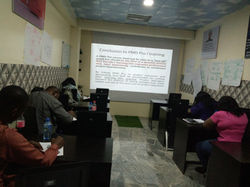
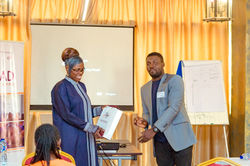
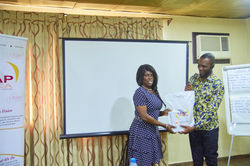
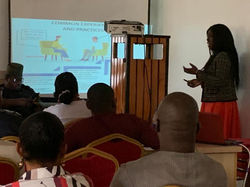
The Centre For AID Information And Knowledge (C4AIK) plays a pivotal role in this context by providing targeted training programs that address the specific needs of NGOs in Abuja. Their approach combines theoretical knowledge with practical application, ensuring that participants can immediately implement what they learn.

Strategies for Effective Nonprofit Skill Building in Abuja
Implementing successful skill development programs requires a strategic approach that considers the unique challenges faced by NGOs in Abuja. The following strategies have proven effective:
Needs Assessment: Conducting thorough assessments to identify skill gaps within organizations ensures that training is relevant and impactful.
Customized Training Modules: Developing modules that address specific roles and responsibilities within NGOs enhances learning outcomes.
Blended Learning Approaches: Combining in-person workshops with online resources allows for flexibility and wider reach.
Mentorship and Peer Learning: Facilitating mentorship programs and peer-to-peer exchanges encourages knowledge sharing and practical problem-solving.
Monitoring and Evaluation: Establishing mechanisms to track the effectiveness of training programs helps in refining content and delivery methods.
For instance, a recent program in Abuja incorporated these strategies by first surveying participating NGOs to tailor content on grant writing and financial management. The inclusion of follow-up mentorship sessions helped sustain the skills acquired.
What is the stipend for a skills training program in Nigeria?
Understanding the financial aspects of skill development programs is crucial for both organizers and participants. In Nigeria, stipends for skills training programs vary widely depending on the funding source, program duration, and target audience.
Typically, stipends range from ₦10,000 to ₦50,000 per month for short-term programs lasting between one to three months. These stipends are intended to cover basic expenses such as transportation, meals, and communication costs, enabling participants to focus on learning without financial strain.
Some programs, especially those supported by international donors or government initiatives, may offer additional incentives such as certification fees or access to startup grants for entrepreneurial ventures. It is important for NGOs to transparently communicate stipend details to prospective trainees to manage expectations and encourage participation.
Enhancing Community Impact Through Skill Development
Skill development in NGOs extends beyond internal capacity building; it directly influences the quality and reach of community programs. Well-trained staff can design and implement interventions that are more responsive to local needs, culturally sensitive, and sustainable.
For example, NGOs that have received training in participatory rural appraisal techniques are better equipped to engage communities in identifying their priorities and co-creating solutions. This participatory approach not only empowers beneficiaries but also fosters ownership and long-term commitment.
Additionally, skill development in areas such as monitoring and evaluation enables NGOs to measure their impact accurately. This data-driven approach supports evidence-based decision-making and strengthens accountability to donors and stakeholders.

The Role of Technology in NGO Skill Development
Technology has become an indispensable tool in the nonprofit sector, offering innovative ways to enhance skill development. In Abuja, the integration of digital platforms for training delivery has expanded access to learning opportunities, especially for NGOs operating in remote areas.
Online courses, webinars, and virtual workshops allow participants to learn at their own pace and revisit materials as needed. Furthermore, technology facilitates networking and collaboration among NGOs, creating communities of practice that share resources and best practices.
However, challenges such as limited internet connectivity and digital literacy must be addressed to maximize the benefits of technology-driven skill development. Initiatives that combine digital training with hands-on support and infrastructure improvements are essential.
Sustaining Growth Through Continuous Learning
The dynamic nature of the development sector necessitates ongoing skill enhancement. NGOs in Abuja must adopt a mindset of continuous learning to remain effective and relevant. This involves regular training updates, exposure to emerging trends, and opportunities for professional development.
Organizations can institutionalize learning by establishing dedicated training units, encouraging staff participation in conferences, and fostering partnerships with educational institutions. Such measures contribute to building resilient organizations capable of adapting to changing environments.
In this regard, the vision of the Centre For AID Information And Knowledge (C4AIK) aligns perfectly with the sector’s needs. By positioning itself as a leading hub for knowledge and skill development, C4AIK supports NGOs in achieving optimal performance and sustainable positive impacts.
Empowering NGOs through skill development in Abuja is not merely an operational necessity but a strategic imperative. By investing in capacity building, organizations enhance their ability to serve communities effectively and contribute to broader development goals. The journey towards a more skilled and impactful nonprofit sector is ongoing, and collaborative efforts will be key to realizing this vision.


Comments