













NGO Skills Workshop: Exploring Skill Development Opportunities in Abuja
Skill development remains a critical pillar for sustainable growth and empowerment within the development sector. In Abuja, a city that serves as Nigeria’s administrative and political center, numerous non-governmental organizations (NGOs) have established programs aimed at enhancing the capabilities of individuals and organizations. These initiatives are designed to equip participants with practical skills, knowledge, and resources necessary to address social challenges effectively. This article explores the landscape of NGO skill development opportunities in Abuja, highlighting key programs, their benefits, and practical guidance for engagement.
The Role of NGO Skills Workshops in Abuja’s Development Sector
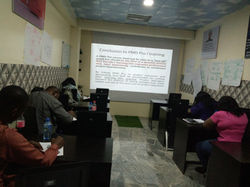
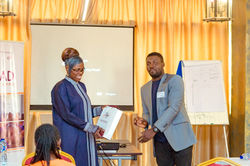
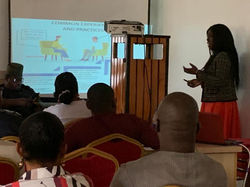
NGO skills workshops in Abuja serve as vital platforms for capacity building. These workshops typically focus on areas such as project management, community mobilization, advocacy, monitoring and evaluation, and technical skills relevant to various development fields. By participating in these workshops, individuals gain not only theoretical knowledge but also hands-on experience that enhances their professional competence.
One notable aspect of these workshops is their inclusivity. They often target a diverse group of participants, including development sector professionals, new entrants to NGOs, and local entrepreneurs. This diversity fosters a collaborative learning environment where participants can share insights and build networks that extend beyond the workshop setting.
Moreover, these workshops are frequently tailored to address the specific needs of Abuja’s communities. For example, some programs emphasize skills related to urban development, environmental sustainability, or youth empowerment, reflecting the city’s unique socio-economic context.

Key NGO Skill Development Programs Available in Abuja
Several NGOs and development centers in Abuja offer structured skill development programs. These programs vary in duration, focus, and delivery methods but share a common goal of enhancing participant capabilities.
Project Management and Leadership Training
Many NGOs provide workshops that focus on project planning, implementation, and leadership skills. These sessions often include modules on budgeting, stakeholder engagement, and risk management, equipping participants to lead projects effectively.
Technical and Vocational Skills Training
Some organizations offer vocational training in areas such as ICT, agriculture, and crafts. These programs aim to improve employability and entrepreneurial potential, particularly for youth and women.
Monitoring and Evaluation (M&E) Workshops
M&E is crucial for assessing the impact of development initiatives. Workshops in this area teach participants how to design indicators, collect data, and analyze results to inform decision-making.
Advocacy and Communication Skills
Effective advocacy requires clear communication and strategic planning. NGOs conduct training sessions that enhance participants’ abilities to engage policymakers, media, and communities.
Social Enterprise and Entrepreneurship Development
Recognizing the role of social enterprises in sustainable development, some programs focus on business planning, financial management, and market analysis.
These programs often incorporate interactive elements such as case studies, group discussions, and practical exercises to ensure that learning is applied and relevant.
What is the stipend for a skills training program in Nigeria?
Understanding the financial aspects of skill development programs is essential for prospective participants. In Nigeria, stipends for skills training programs vary widely depending on the sponsoring organization, program duration, and funding sources.
Typically, NGO-led skill development workshops in Abuja may offer stipends ranging from ₦10,000 to ₦50,000 per month to cover transportation, meals, or other incidental expenses. Some programs, especially those funded by international donors or government agencies, may provide higher stipends or additional support such as accommodation.
It is important to note that not all programs offer stipends. Many workshops are free of charge but do not provide financial compensation. Participants should carefully review program details and communicate with organizers to understand the financial arrangements.
For those seeking sustainable income during training, combining skill development with part-time work or entrepreneurial activities may be advisable. Additionally, some NGOs facilitate access to micro-grants or seed funding upon successful completion of training, enabling participants to start small businesses or community projects.
How to Access NGO Skill Development Opportunities in Abuja
Accessing these opportunities requires a proactive approach. Here are practical steps to engage with skill development programs effectively:
Research and Identify Relevant NGOs
Begin by identifying NGOs and development centers active in Abuja. Websites, social media pages, and local development forums are valuable sources of information.
Subscribe to Newsletters and Alerts
Many organizations announce upcoming workshops and training sessions through newsletters or mailing lists. Subscribing ensures timely updates.
Network with Development Sector Professionals
Engaging with professionals already involved in the sector can provide insider information about upcoming opportunities and application tips.
Prepare Application Materials
Most programs require a formal application, including a resume and a statement of interest. Tailoring these documents to highlight relevant experience and motivation increases the chances of acceptance.
Attend Orientation Sessions
Some NGOs conduct orientation or information sessions before training. Participating in these sessions helps clarify expectations and program objectives.
Leverage Online Platforms
In response to recent global shifts, many NGOs have adopted virtual training formats. Exploring online platforms expands access beyond physical constraints.
By following these steps, individuals can position themselves to benefit from the rich array of skill development offerings in Abuja.

The Impact of Skill Development on Community and Organizational Growth
Skill development initiatives have a profound impact on both individuals and the broader community. For participants, acquiring new skills enhances employability, boosts confidence, and opens pathways to leadership roles within NGOs and other sectors.
At the organizational level, well-trained staff contribute to improved project outcomes, efficient resource management, and stronger stakeholder relationships. This, in turn, elevates the credibility and effectiveness of NGOs operating in Abuja.
Communities benefit as skilled individuals implement innovative solutions to local challenges. For example, training in sustainable agriculture techniques can lead to increased food security, while advocacy skills empower community members to influence policy decisions affecting their welfare.
Furthermore, skill development fosters a culture of continuous learning and adaptation, essential for addressing the dynamic challenges faced by development actors.
Future Directions for NGO Skill Development in Abuja
Looking ahead, the landscape of NGO skill development in Abuja is poised for growth and innovation. Several trends are likely to shape this evolution:
Integration of Technology
The use of digital tools and e-learning platforms will expand, making training more accessible and flexible.
Focus on Soft Skills
Beyond technical expertise, there will be increased emphasis on communication, emotional intelligence, and teamwork.
Collaboration Across Sectors
Partnerships between NGOs, government agencies, and private sector entities will create more comprehensive training programs.
Customization and Localization
Programs will increasingly tailor content to the specific needs of Abuja’s diverse communities and development priorities.
Sustainability and Impact Measurement
Greater attention will be given to evaluating the long-term effects of skill development initiatives to ensure they contribute meaningfully to social progress.
Organizations like the Centre For AID Information And Knowledge (C4AIK) are at the forefront of these developments, striving to become the leading hub for knowledge and skill development within Nigeria’s development sector. Their efforts aim to empower individuals and organizations to achieve optimal performance and sustainable positive impacts, while also fostering community engagement through sports and social initiatives.
For those interested in exploring these opportunities further, resources such as ngo skill development abuja provide comprehensive information and access points.
By engaging with the diverse skill development programs available in Abuja, individuals and organizations can significantly enhance their capacity to contribute to sustainable development. The continued growth and refinement of these initiatives will play a crucial role in shaping a resilient and empowered development sector in Nigeria’s capital city.


Comments