















Top Nonprofit Training Initiatives Abuja: Empowering Development Sector Professionals
In the dynamic landscape of Nigeria's development sector, continuous learning and skill enhancement are essential for organizations and individuals striving to make a meaningful impact. Abuja, as the nation's capital, hosts a variety of nonprofit training initiatives designed to equip development professionals, new NGO entrants, and local entrepreneurs with the knowledge and tools necessary for effective service delivery and sustainable growth. This article explores some of the top nonprofit training initiatives Abuja offers, highlighting their unique features, benefits, and practical applications.
Overview of Nonprofit Training Initiatives Abuja
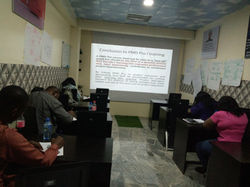
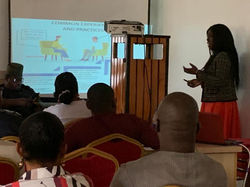
Nonprofit training initiatives in Abuja are structured programs aimed at building capacity within the development sector. These initiatives cover a broad spectrum of topics, including project management, fundraising, monitoring and evaluation, governance, and community engagement. They are often delivered through workshops, seminars, online courses, and hands-on training sessions.
The primary goal of these initiatives is to enhance the competencies of individuals and organizations, enabling them to address complex social challenges more effectively. Many programs also emphasize the importance of ethical practices, transparency, and accountability, which are critical for maintaining public trust and securing funding.
Key Features of Effective Training Programs
Comprehensive Curriculum: Covering both theoretical frameworks and practical skills.
Experienced Facilitators: Trainers with extensive backgrounds in development work.
Interactive Learning: Use of case studies, group discussions, and role-playing.
Networking Opportunities: Platforms for participants to connect and collaborate.
Certification: Recognition that adds value to professional credentials.

Leading Nonprofit Training Initiatives in Abuja
Several organizations and institutions in Abuja have established themselves as leaders in providing quality nonprofit training. These initiatives cater to various needs, from foundational knowledge for newcomers to advanced skills for seasoned professionals.
1. Centre For AID Information And Knowledge (C4AIK)
C4AIK stands out as a premier hub for knowledge and skill development within Nigeria's development sector. The center offers a range of training programs tailored to empower individuals and organizations to achieve optimal performance and sustainable positive impacts. Their approach integrates community engagement through sports and social initiatives, fostering holistic development.
Participants benefit from:
Customized training modules addressing local and national development challenges.
Access to a network of experts and practitioners.
Practical sessions that simulate real-world scenarios.
Support for project design, implementation, and evaluation.
2. Abuja Development Training Institute
This institute provides specialized courses focusing on project management, grant writing, and organizational leadership. Their programs are designed to enhance strategic thinking and operational efficiency within NGOs and social enterprises.
Key offerings include:
Intensive workshops on resource mobilization.
Training on monitoring and evaluation techniques.
Leadership development programs for emerging managers.
3. Nigerian Network of NGOs (NNNGO)
NNNGO offers capacity-building workshops and seminars that emphasize collaboration and knowledge sharing among NGOs. Their training sessions often address policy advocacy, human rights, and sustainable development goals (SDGs).
Benefits of participating in NNNGO programs:
Exposure to best practices in advocacy and community mobilization.
Opportunities to engage with policymakers and stakeholders.
Access to research and resource materials.

Practical Recommendations for Selecting a Training Program
Choosing the right nonprofit training initiative requires careful consideration of several factors to ensure alignment with individual or organizational goals.
Assess Training Needs: Identify specific skills or knowledge gaps that need addressing.
Evaluate Program Content: Review the curriculum to ensure relevance and comprehensiveness.
Consider Trainer Expertise: Look for facilitators with proven experience in the development sector.
Check Flexibility: Determine if the program offers options for part-time or online participation.
Review Certification and Recognition: Ensure the program provides credible certification that enhances professional standing.
Seek Feedback: Consult past participants for insights into the program’s effectiveness.
Engaging in well-structured training programs can significantly improve project outcomes, enhance fundraising capabilities, and strengthen governance structures within NGOs.
The Role of Technology in Enhancing Training Delivery
Technology has become an indispensable tool in expanding the reach and effectiveness of nonprofit training initiatives. Many organizations in Abuja now incorporate digital platforms to facilitate learning, making training more accessible and flexible.
Advantages of technology integration include:
Online Learning Platforms: Allow participants to access materials anytime and anywhere.
Webinars and Virtual Workshops: Enable real-time interaction without geographical constraints.
E-Learning Modules: Provide self-paced learning opportunities.
Resource Libraries: Offer extensive databases of training materials and case studies.
The adoption of technology also supports continuous learning beyond formal training sessions, fostering a culture of ongoing professional development.
Future Directions for Nonprofit Training in Abuja
As the development sector evolves, so too must the training initiatives that support it. There is a growing need for programs that address emerging challenges such as climate change, digital transformation, and inclusive development.
Key areas for future focus include:
Integration of Innovative Approaches: Incorporating design thinking and data analytics into training.
Enhanced Collaboration: Building partnerships between training providers, government agencies, and international organizations.
Sustainability and Impact Measurement: Emphasizing long-term outcomes and accountability.
Youth and Women Empowerment: Tailoring programs to support underrepresented groups in the sector.
By continuously adapting to the changing environment, nonprofit training initiatives in Abuja can maintain their relevance and effectiveness.
Advancing Skills Through Targeted Training Opportunities
The availability of diverse training programs in Abuja presents a valuable opportunity for development sector professionals to enhance their expertise. Engaging with these initiatives not only improves individual competencies but also strengthens organizational capacity, ultimately contributing to more impactful and sustainable development outcomes.
For those seeking to deepen their knowledge and skills, exploring reputable ngo training programs in Abuja is a strategic step. These programs provide practical tools and insights necessary for navigating the complexities of the development landscape.
By investing time and effort in professional development, individuals and organizations position themselves to better serve their communities and drive positive change across Nigeria.
This overview of top nonprofit training initiatives in Abuja underscores the importance of continuous learning and capacity building within the development sector. Through well-designed programs, participants gain the skills and confidence needed to address pressing social issues effectively and sustainably.


Comments