















Effective Short-Term and Emergency Recruitment Strategies for NGOs in Nigeria
A project can be well planned, fully funded, and close to completion, then still face a staffing gap at the worst possible time. In NGOs, this often happens when a key employee resigns near the end of a donor-funded project, a team member begins maternity leave, or a role becomes vacant after termination.
For NGOs in Nigeria, short-term and emergency recruitment is not just an HR task. It can affect program delivery, donor reporting, safeguarding, compliance, beneficiary trust, and team morale. A rushed hire may keep activities moving, but the wrong hire can create new risks.
The goal is to fill urgent gaps without lowering standards. That requires planning, trusted candidate sources, clear role requirements, and a practical selection process that works under time pressure.
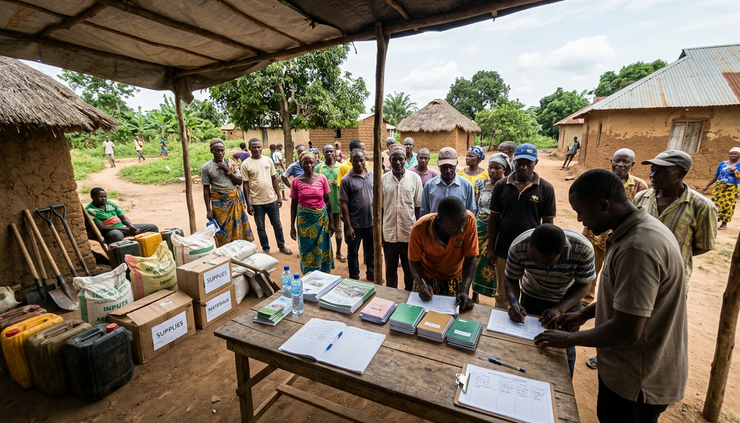
Why NGOs in Nigeria need short-term recruitment
Short-term recruitment usually happens because the work cannot wait. Many NGO projects run on fixed timelines tied to donor agreements, activity schedules, reporting deadlines, and community commitments. When a vacancy appears late, the organization may have little room to pause.
Common causes include:
Employees resigning shortly before project completion
Maternity cover needs
Vacancies caused by terminations
Sudden illness or family emergencies
New donor requirements that create temporary roles
Short implementation windows in hard-to-reach areas
Seasonal field activities that need more hands for a limited period
The most difficult cases are often late-project exits. A monitoring and evaluation officer, finance officer, community mobilizer, case worker, or project coordinator may leave after building institutional knowledge. Replacing that person for only a few weeks or months is hard because the incoming staff member must learn quickly, protect continuity, and deliver without a long onboarding period.
Maternity cover also requires care. The organization needs to respect the employee’s rights and dignity while making sure essential work continues. The temporary hire should receive a clear scope, reporting line, and handover notes so the role does not become confused or open-ended.
Vacancies due to termination can be more sensitive. The organization may need to protect confidential information, rebuild team trust, and correct performance or conduct issues that affected the role. In these situations, speed matters, but judgment matters more.
Short-term hiring should never be treated as a casual shortcut. It is a formal recruitment process with a shorter timeline and a narrower work period.
The risks of emergency recruitment
Emergency recruitment can solve an immediate problem, but it also carries real downsides. NGOs should recognize these risks before they become costly.
The candidate pool may be limited
Qualified candidates are not always available at short notice. Strong professionals often have active contracts, notice periods, or donor commitments they cannot leave suddenly. This is especially true for technical roles in finance, grants, safeguarding, health programming, monitoring and evaluation, logistics, and protection.
When timelines are tight, HR teams may receive fewer strong applications. That can create pressure to choose from a weak pool.
Good candidates may avoid short contracts
Many competent candidates prefer stable, long-term jobs. If they already have secure employment, a two-month or three-month NGO contract may not appeal to them, even when the organization has a good reputation.
This is a major challenge for emergency recruitment. The urgency of the vacancy does not automatically make the role attractive. A candidate may ask:
Will this contract be extended?
Is the role worth leaving my current job?
Will payment be timely?
Is the organization clear about expectations?
Will I receive a proper reference or record of service?
NGOs that cannot answer these questions clearly may lose good candidates before interviews begin.
The process can attract underqualified applicants
Short-term vacancies often attract people who are currently unemployed, between jobs, or willing to accept almost any role. Some may be skilled and available for good reasons. Others may not meet the minimum standard.
Being unemployed should never be treated as a negative on its own. Many strong professionals experience career gaps. The real issue is fit. A rushed process may fail to test whether the person has the required skills, values, discipline, and judgment.
Poor emergency hires can create program risk
A weak short-term hire can cause serious damage in a short period. They may mishandle data, delay payments, submit poor reports, miscommunicate with communities, breach safeguarding standards, or weaken donor confidence.
In emergency recruitment, the cost of a bad hire is not measured only in salary. It can show up in missed activities, compliance gaps, and lost trust.
This is why speed must be balanced with screening. Fast hiring should still include reference checks, basic competency testing, identity verification, and safeguarding review where relevant.
How to manage urgent hiring without losing control
Effective emergency recruitment starts before the emergency. NGOs that manage it well usually have simple systems already in place.
Define the real staffing gap
Before posting or calling candidates, HR and the hiring manager should agree on what must be covered. The goal is not always to replace the entire role. Sometimes the organization only needs a few critical duties handled until the project closes or a permanent hire arrives.
A short role brief should include:
Contract duration
Location and travel needs
Daily or weekly deliverables
Required technical skills
Required language skills
Reporting line
Tools or systems the person must use
Safeguarding or compliance requirements
Payment terms and work schedule
This brief keeps the process focused. It also helps candidates decide quickly whether the role suits them.
Separate essential skills from optional skills
In urgent hiring, long wish lists slow everything down. The hiring team should agree on the few skills the candidate must already have on day one.
For example, a temporary finance officer may need donor budget coding, payment documentation, and basic accounting software experience. A community mobilizer may need local language skills, experience with community entry, and the ability to document attendance accurately.
Nice-to-have skills can help, but they should not distract from the core task.
Use a short but structured selection process
Emergency recruitment does not need a long process, but it needs structure. A practical model can include:
Fast CV screening against the essential criteria
A short phone screening to confirm availability, location, rate, and interest
A technical assessment or work sample
A focused interview with scenario-based questions
Reference checks from recent supervisors
Safeguarding and conduct checks where the role involves vulnerable people
For a temporary monitoring and evaluation role, the work sample might involve reviewing a simple activity dataset and identifying errors. For a finance role, it could involve checking sample payment documents. For a field role, it could involve explaining how to handle a difficult community engagement situation.
Prepare a rapid onboarding pack
Short-term staff need immediate clarity. They should not spend their first week trying to understand basic processes.
A simple onboarding pack can include:
Project summary
Key contacts
Work plan
Templates and reporting formats
Code of conduct
Safeguarding policy
Security guidance
Handover notes
Donor compliance rules that affect the role
This pack reduces confusion and helps the person become productive quickly.
Where NGOs can find suitable short-term candidates
The source of candidates matters. Posting a vacancy widely may bring volume, but not always quality. For short-term and emergency roles, NGOs need sources that can produce screened, available, and relevant candidates quickly.
Recruitment centers
Recruitment centers can help when they understand NGO roles and maintain active candidate databases. They may already know professionals with experience in field implementation, finance, grants, administration, logistics, data collection, and community engagement.
The best recruitment centers do more than forward CVs. They help confirm availability, check basic qualifications, and match candidates to the contract terms. This saves time when the NGO cannot afford a long search.
When working with a recruitment center, NGOs should provide a clear brief and ask specific questions:
Have these candidates worked in NGO or donor-funded settings?
Are they available for the full contract period?
Have their references been checked?
What locations can they work in?
What systems or tools have they used?
Are they comfortable with field travel if required?
Training centers with professional databases
Training centers can be strong sources because they interact with professionals who are actively improving their skills. Centers such as C4AIK, which maintain databases of competent professionals, can help NGOs identify people who have received relevant training and may be ready for short-term assignments.
This can be useful for roles in project support, data collection, monitoring and evaluation, administration, community mobilization, and other practical NGO functions. A training center may know who completed a relevant course, who performed well, and who has the discipline to work under pressure.
The benefit is not just access to names. It is access to a warmer pool of people whose skills, interests, and availability may already be known.
Alumni networks and past staff pools
NGOs should keep a database of former interns, volunteers, consultants, short-term staff, and project employees who left on good terms. These people already understand the organization’s culture and may need less onboarding.
A past staff pool can be especially useful for short donor assignments, endline data collection, field supervision, administrative support, and surge work during reporting periods.
The database should include basic details such as role history, skills, location, availability, language ability, performance notes, and whether the person is eligible for rehire.
Professional associations and technical communities
Some roles require specialized experience. For finance, supply chain, health, data, protection, and grants roles, professional networks may produce better candidates than open job posts.
NGOs can build relationships with credible professional groups and technical communities before there is a vacancy. When a short-term need arises, those networks can help circulate the opportunity to people who understand the work.
How to make short-term roles attractive to strong candidates
Good candidates evaluate short-term roles carefully. NGOs should make the offer clear, fair, and credible.
Be honest about duration
If the contract is for six weeks, state that clearly. If extension is possible but not guaranteed, say so. Candidates respect clarity. Vague promises can damage trust and create conflict later.
Pay fairly and on time
Short-term roles often require fast adjustment, intense work, and limited job security. Compensation should reflect the workload, location, risk, and skill level. Payment terms should be written into the contract and followed.
Reduce uncertainty
Strong candidates are more likely to accept when they understand:
What they will deliver
Who they will report to
What resources they will receive
How performance will be judged
Whether travel, airtime, transport, or field allowances apply
Clear terms can make a short contract more attractive than a vague long one.
Offer professional value
A short-term role can still help a candidate grow. NGOs can provide useful experience, a formal reference, exposure to donor systems, or a chance to contribute to meaningful work.
This should not replace fair pay, but it can strengthen the offer for candidates who are available and seeking relevant experience.
Protect the returning or permanent employee’s role
For maternity cover and temporary coverage, HR should make boundaries clear. The short-term employee should understand the assignment. The returning staff member should not feel displaced. This protects morale and reduces internal tension.
Build a simple emergency recruitment plan before it is needed
The best time to prepare for emergency recruitment is while the team is stable. A simple plan can prevent panic later.
NGOs in Nigeria can create a standing emergency recruitment file that includes:
Recruitment need | Preparation that helps |
Late project resignation | Updated handover templates and a prequalified candidate list |
Maternity cover | Early workforce planning and clear temporary job descriptions |
Termination vacancy | Access control steps, role review, and fast replacement criteria |
Field surge work | Database of trained enumerators, mobilizers, and supervisors |
Finance or compliance gap | Tested consultants or temporary staff with donor experience |
This plan should be reviewed often, especially before project closeout periods, audits, major distributions, baseline surveys, endline surveys, and donor reporting deadlines.
HR teams should also work with program, finance, and operations leads to identify roles that would create serious risk if vacant. These are priority roles for succession planning and candidate mapping.
A practical standard for NGO hiring under pressure
Short-term and emergency hiring will always involve some pressure. The goal is not to remove urgency. The goal is to manage it well.
A strong process should be fast, fair, documented, and realistic. It should bring in people who can do the work, respect the organization’s values, and protect the communities served.
NGOs can improve outcomes by building relationships with recruitment centers, staying connected to training centers like C4AIK, keeping a reliable database of past staff and associates, and preparing role briefs before vacancies become urgent.
The main takeaway is simple: do not wait for a staffing crisis to start recruiting. Build the candidate pipeline early, keep records current, and use a structured process even when time is short. That is how NGOs can fill urgent gaps without putting their projects, people, or reputation at risk.



Comments