












How NGOs Can Prevent and Address Sexual Harassment Effectively
Sexual harassment can damage an NGO from the inside out. It harms people, weakens trust, disrupts programs, and can put communities at risk. For organizations built around service and dignity, prevention is not a side task. It is part of the mission.
NGOs often work in complex settings: field sites, partner offices, shelters, schools, clinics, volunteer networks, and emergency response teams. Power differences can be sharp. Staff may depend on supervisors for contracts, travel approvals, housing, references, or access to aid work. Volunteers and community members may not know where to report harm. These realities make clear systems essential.
This guide outlines practical ways NGOs can prevent and respond to sexual harassment, including policies, reporting channels, training, support systems, and leadership practices that build a culture of respect and accountability.

Start with a clear, accessible policy
A strong anti-harassment policy gives everyone the same baseline. It explains what behavior is unacceptable, how to report it, what happens after a report, and what protections exist for people who come forward.
The policy should cover staff, leadership, board members, volunteers, consultants, interns, partners, vendors, visitors, and community members who interact with the NGO. Harassment can happen between peers, across reporting lines, or between workers and the people an NGO serves. A narrow policy leaves gaps.
A good policy should define sexual harassment in plain language. Avoid legal language only. Include examples such as:
Unwanted sexual comments, jokes, messages, or images
Repeated requests for dates after someone has said no
Touching, blocking movement, or standing too close in a sexual way
Comments about someone’s body, clothing, gender, or sexuality
Offering work benefits, aid access, travel, promotion, or protection in exchange for sexual attention
Threatening someone after they reject sexual advances
Retaliating against a person who reports harassment or supports someone who reports it
The policy should also address harassment outside the main workplace. NGO work often takes place during travel, training events, field visits, community meetings, residential programs, and after-hours activities. If the event is connected to the NGO’s work, the expected standard of conduct should apply.
Make the policy easy to find. Share it during onboarding, post summaries in common areas, include it in volunteer materials, and translate it into languages used by staff and communities. For low-literacy settings, pair written material with verbal briefings, visual posters, or audio formats.
This article is informational and not legal advice. NGOs should adapt policies to federal, state, and local laws and seek qualified legal guidance when needed.
Build reporting channels people can actually use
A policy means little if people do not trust the reporting process. NGOs should offer more than one way to report because not everyone feels safe going to the same person.
Useful reporting options may include:
A trained human resources contact
A safeguarding or protection focal point
A confidential email address or phone line
A trusted senior leader who is not in the survivor’s chain of command
A board-level contact for complaints involving executives
An external reporting service for smaller NGOs or high-risk cases
The reporting system should explain what confidentiality means. People need honest information. NGOs can promise to limit information to those who need it, but they should not promise absolute secrecy if there is a safety risk or legal duty to act.
A survivor-centered process gives the affected person as much choice as possible. They should know their options before deciding what to do next. They should not be pressured to file a formal complaint before receiving support.
At the same time, NGOs need a fair process for everyone involved. That means taking reports seriously, documenting steps, avoiding assumptions, and assigning trained people to review complaints. Investigations should move promptly, but speed should not replace care.
Non-retaliation must be firm. People often stay silent because they fear losing work, housing, status, future references, or access to projects. Policies should ban retaliation against anyone who reports, participates in an investigation, or supports a person who has been harmed.
Put safety measures in place before harm happens
Prevention works best when NGOs look closely at where harassment is more likely to occur. Risk is not the same in every setting. A head office, a remote field site, a residential shelter, and a late-night transport route all require different safeguards.
NGOs can reduce risk through practical measures such as:
Risk area | Preventive measure |
Field travel | Use clear travel rules, safe lodging standards, and check-in procedures |
One-on-one supervision | Require transparent meeting practices and give staff alternate reporting contacts |
Volunteer programs | Screen volunteers, define boundaries, and supervise roles that involve vulnerable groups |
Community aid delivery | Separate aid decisions from individual gatekeepers and post complaint options clearly |
Overnight events | Set conduct rules, sleeping arrangements, and alcohol guidelines before the event |
Partner work | Include safeguarding clauses in agreements and require shared reporting protocols |
Safe hiring also matters. Reference checks, interview questions about conduct, and clear codes of conduct help prevent people with known misconduct histories from moving quietly between organizations. NGOs should document conduct concerns according to applicable law and internal procedures.
For organizations working with children, survivors of violence, displaced people, people with disabilities, or communities facing discrimination, safeguarding standards need extra care. Power differences can make it harder for people to report, especially if they depend on services.

Train staff before there is a crisis
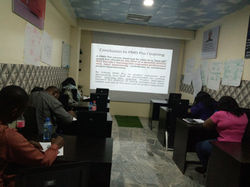
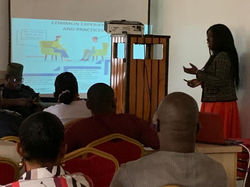
Training should not be a once-a-year slide deck that people forget by lunch. It should help people recognize harm, understand boundaries, and know what to do when something goes wrong.
Good training covers:
What sexual harassment looks like in daily work
How power dynamics affect consent and reporting
How to respond when someone discloses harm
What managers must do when they receive a complaint
How bystanders can interrupt inappropriate behavior safely
What retaliation looks like
How to document concerns
How to protect confidentiality
Use realistic scenarios. For example, a supervisor sends late-night personal messages to a junior staff member after a field visit. A volunteer makes repeated comments about a beneficiary’s appearance. A program manager hints that contract renewal depends on being “friendly.” These examples help people connect policy language to real behavior.
Training should be tailored by role. Board members need to understand oversight and liability. Managers need to know how to respond to complaints without minimizing or investigating carelessly. Field staff need guidance for travel, lodging, community interactions, and partner relationships. Volunteers need simple, direct expectations from day one.
New staff should receive training during onboarding. All staff should receive refreshers at regular intervals. When policies change, training should explain what changed and why.
Awareness also includes visible reminders. Posters, wallet cards, staff handbook pages, and short team discussions can keep the message alive. The goal is not fear. The goal is confidence that respect is expected and help is available.
Respond with care, fairness, and consistency
When a report comes in, the first response matters. A poor response can deepen harm and silence others. A good response can help someone regain control and trust.
The person receiving a disclosure should:
Listen without interrupting
Thank the person for sharing
Avoid blaming questions such as “Why did you go there?”
Explain reporting and support options
Ask about immediate safety needs
Record only necessary facts
Protect confidentiality as much as possible
Follow the organization’s reporting procedure
Do not make promises you cannot keep. Avoid saying, “This will stay between us,” if the concern may need escalation. A better response is, “I will share this only with the people who need to help keep you safe and address the concern.”
NGOs should create a response protocol that names who does what. The protocol should include intake, safety assessment, interim measures, investigation, decision-making, corrective action, documentation, and follow-up.
Interim measures can protect people while a complaint is reviewed. These may include schedule changes, alternate supervision, remote work options, travel changes, no-contact instructions, or temporary reassignment. These steps should not punish the person who reported.
If an investigation finds misconduct, consequences should match the behavior and the risk. Responses may include coaching, written warnings, removal from supervisory duties, termination, volunteer dismissal, partner contract action, or referral to authorities when required or appropriate.
Consistency builds trust. If senior staff receive softer treatment than junior staff, the policy loses credibility.
Create support systems that people trust
Support should not depend on whether a formal complaint moves forward. A person who experiences harassment may need help even if they choose not to file a full report.
Depending on the NGO’s size and resources, support systems may include:
Confidential counseling through an employee assistance program or local provider
Paid time off or flexible scheduling after a serious incident
Medical or mental health referrals
Safety planning
Help changing work location or reporting line
Peer support from trained staff
Assistance understanding formal complaint options
Referral pathways to survivor services in the community
Small NGOs may not have in-house HR teams or counselors. They can still build support by creating referral lists, partnering with local service providers, appointing trained safeguarding focal points, and using external investigators when needed.
Community-facing programs also need complaint channels for beneficiaries. A person receiving aid, shelter, education, or health support may face pressure from someone connected to the NGO. Reporting options must be safe, private, and accessible. In some settings, a locked suggestion box is not enough because people may fear being seen using it. Multiple options can reduce that fear.

Learn from interventions that work
Successful prevention often comes from ordinary systems that people use well, not from complicated programs that live only on paper.
One NGO with field teams might reduce risk by changing travel practices. Instead of allowing supervisors to make private lodging decisions, it sets minimum lodging standards, requires shared itineraries, and gives each traveler a check-in contact outside the team. Staff know who to call if a situation feels unsafe.
Another organization might strengthen its volunteer program after receiving repeated complaints about boundary issues. It adds a short code of conduct, mandatory orientation, signed acknowledgment forms, and a quick reporting card. Volunteer coordinators begin checking in after events. Complaints become easier to spot early.
A community service NGO might improve trust by creating a reporting path outside the local program team. Beneficiaries can contact a safeguarding person by phone, talk to a trained community liaison, or use a partner organization as a reporting point. This helps when the alleged harasser controls access to services.
A larger NGO might create a standing review group made up of HR, safeguarding, legal, and program leadership. The group does not share private details widely. It reviews patterns, such as repeat concerns in one site or confusion about after-hours conduct. The organization then updates training and supervision before more harm occurs.
These examples show a common pattern: effective intervention lowers barriers, reduces isolated power, and follows through.
Make leadership accountable for culture
Leadership sets the tone long before a complaint is filed. Staff watch what leaders tolerate, laugh off, excuse, and enforce. A respectful culture grows when leaders model the policy in daily behavior.
Senior leaders and boards should:
Speak clearly about respectful conduct
Treat complaints as safety and governance issues, not public relations problems
Fund training, reporting systems, and support services
Require regular updates on complaint trends without exposing private details
Hold high performers accountable when they violate standards
Protect people who report concerns
Review whether policies work in field conditions, not just on paper
Managers need special attention. Many complaints first reach a supervisor. If managers dismiss concerns, ask harmful questions, or try to “handle it quietly,” the organization loses trust. Manager training should be practical and repeated.
Board oversight matters when allegations involve executives or senior leaders. NGOs should have a path for concerns that bypasses the person named in the complaint. This protects the integrity of the process.
Culture also depends on everyday behavior. Teams should be able to challenge inappropriate jokes, comments, or conduct before they become more serious. Leaders can make that easier by thanking people who raise concerns and correcting behavior early.
Measure progress and keep improving
An NGO cannot assume its system works just because a policy exists. Regular review helps identify gaps.
Useful questions include:
Do staff know where to report harassment?
Do volunteers receive conduct training before starting work?
Are community members told how to raise concerns safely?
Are reports handled within clear time frames?
Do people who report experience retaliation?
Are certain teams, sites, or events generating repeated concerns?
Are leaders reviewing patterns without exposing identities?
Are support referrals current and accessible?
Anonymous climate surveys can help, especially when staff fear direct reporting. Exit interviews may reveal concerns that people did not report earlier. After major events or field deployments, short debriefs can identify safety issues.
Data should be handled with care. The goal is to learn, not to expose private stories. Track themes, response times, training completion, and policy gaps. Then act on what the data shows.

A practical starting checklist
For NGOs building or improving their approach, start with the basics and make them real.
Write a plain-language anti-harassment policy
Define who the policy covers and where it applies
Create at least two reporting channels
Train managers on how to receive complaints
Set a non-retaliation rule and enforce it
Offer support even when no formal complaint is filed
Review travel, lodging, supervision, and volunteer risks
Give beneficiaries safe ways to report misconduct
Use trained investigators or external help for serious cases
Require leadership and board oversight
Sexual harassment prevention is not a single document or annual training session. It is a set of habits, systems, and choices that tell people they matter.
NGOs earn trust by acting before harm occurs, responding with care when it does, and holding every person accountable regardless of role or status. A safe organization does not happen by accident. It is built, reviewed, and protected every day.



Comments