















Project HOPE Shares Results and Lessons from EXALT T-REACH Project
Updated: 4 days ago
On 28 September 2026, Project HOPE organised a dissemination event in Abuja to mark the completion of the EXALT T-REACH Project, an integrated service-delivery model for tuberculosis (TB), asthma and pneumonia.
Held at Bolton White Hotel, Abuja, the event was themed:
"Advancing Integrated Lung Health in Nigeria: Lessons, Impact and Pathways for Scale-Up."
The event brought together government officials, healthcare professionals, development partners, civil-society organisations and other stakeholders to reflect on the project's achievements and discuss opportunities for sustaining and expanding integrated lung-health services in Nigeria.
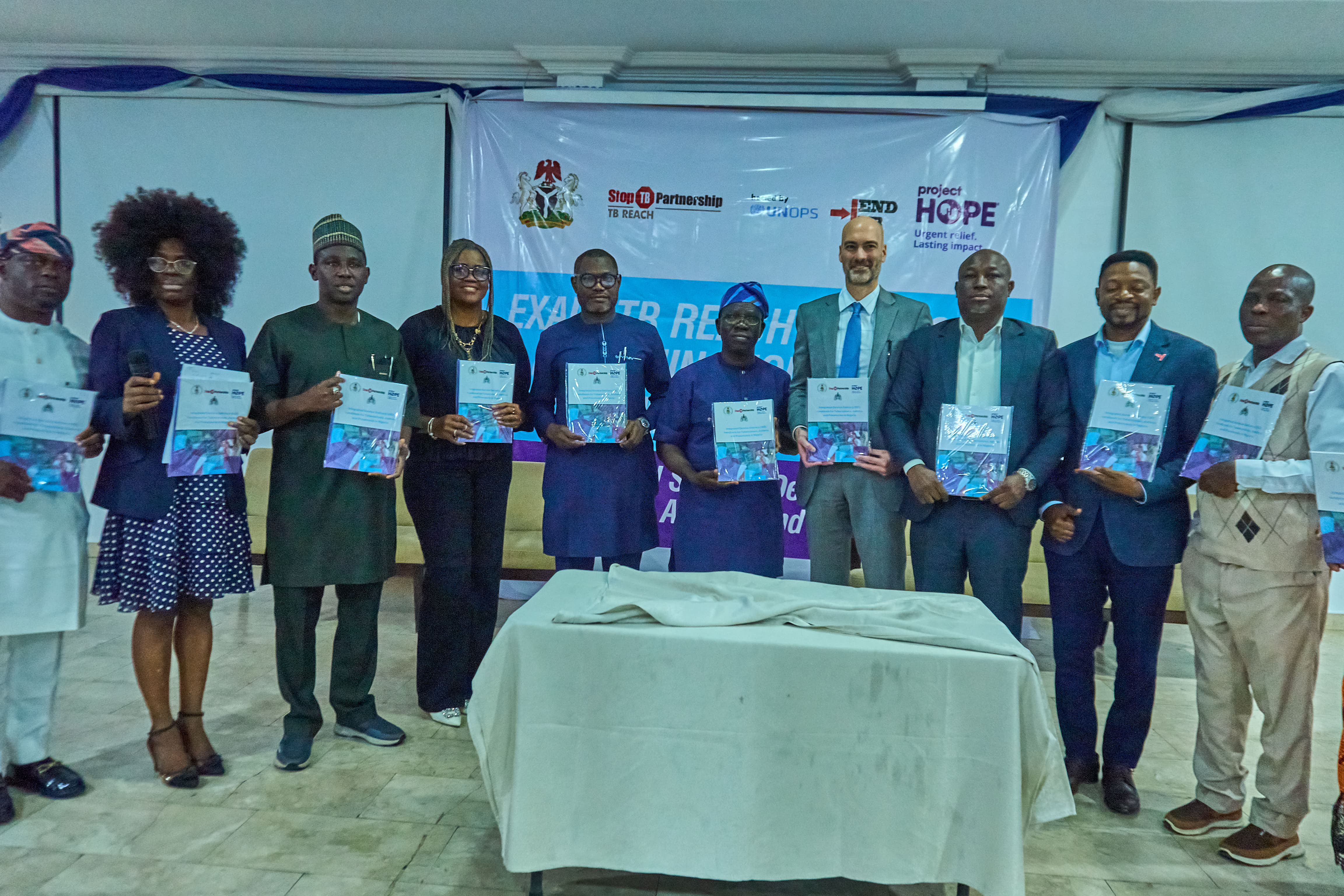
Inset photo is the official launch of EXALT TB REACH Integrated Reference Guideline by Steve Neri accompanied by key guests, the Project Manager (Extreme left) and the Event MC
Bringing Stakeholders Together
The programme included registration, a coffee break and networking session, an opening prayer, the national anthem, a declaration of the meeting objectives, a welcome address by Project HOPE's Country Director, Dr. Chidimma Anyanwu, and goodwill messages from invited guests.
Participants included representatives of the Department of Public Health and the National Coordinator for Non-Communicable Diseases at the Federal Ministry of Health and Social Welfare, the Honourable Commissioner for Health in Niger State, the Executive Secretary of the CCM Nigeria, STOP TB Partnership Nigeria, CHAI, REDAID, Caritas and IHVN.
Also present was Project HOPE's Senior Director for Africa, Mr. Steve Neri, who launched the project's Integrated Lung Health Reference Guideline alongside other dignitaries. The Project/Programme Manager, Kenneth Ojo, presented key achievements, innovations and lessons from implementation.
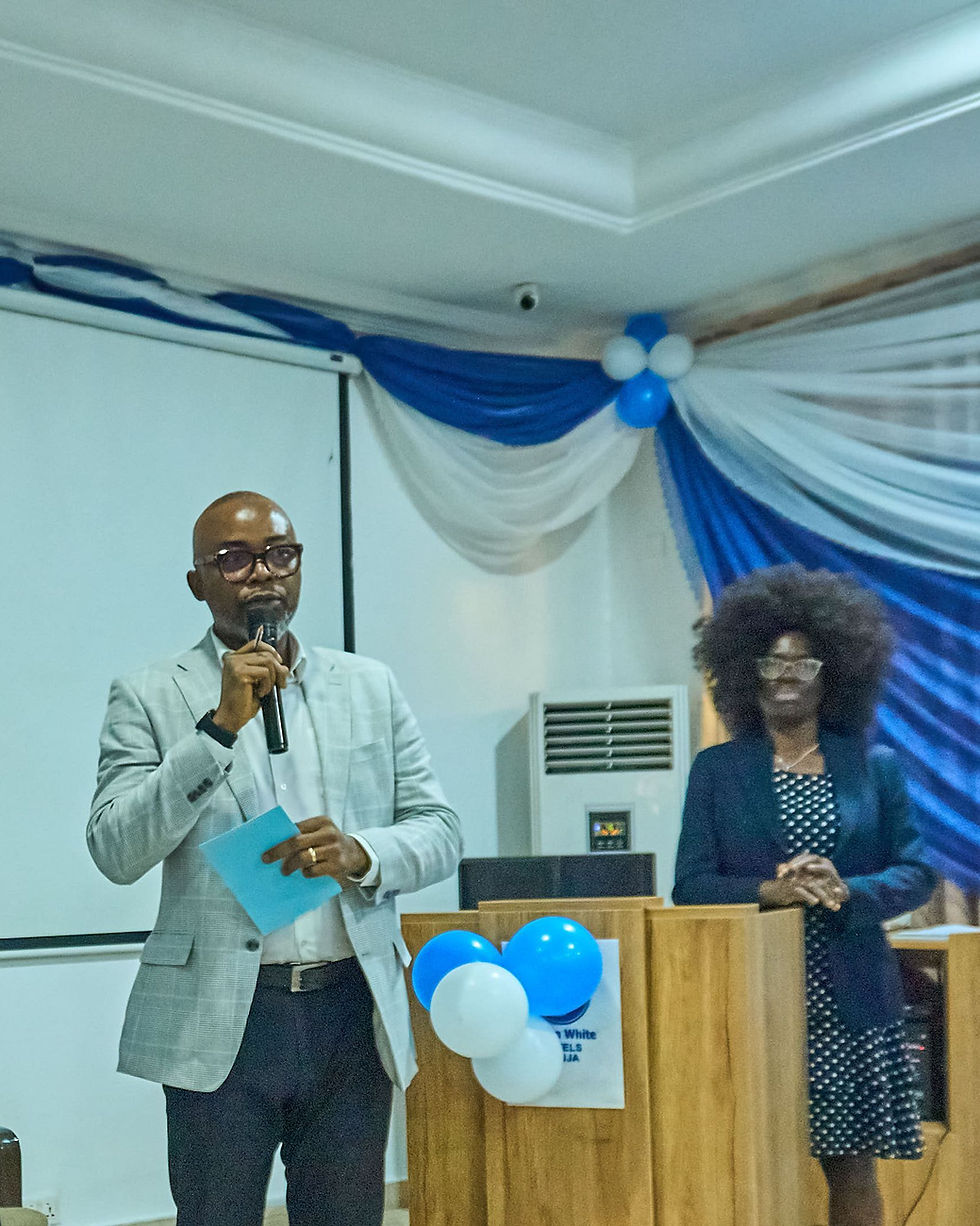
Dr. Chidimma Anyanwu, ProjectHOPE Country Director, delivering the welcome address
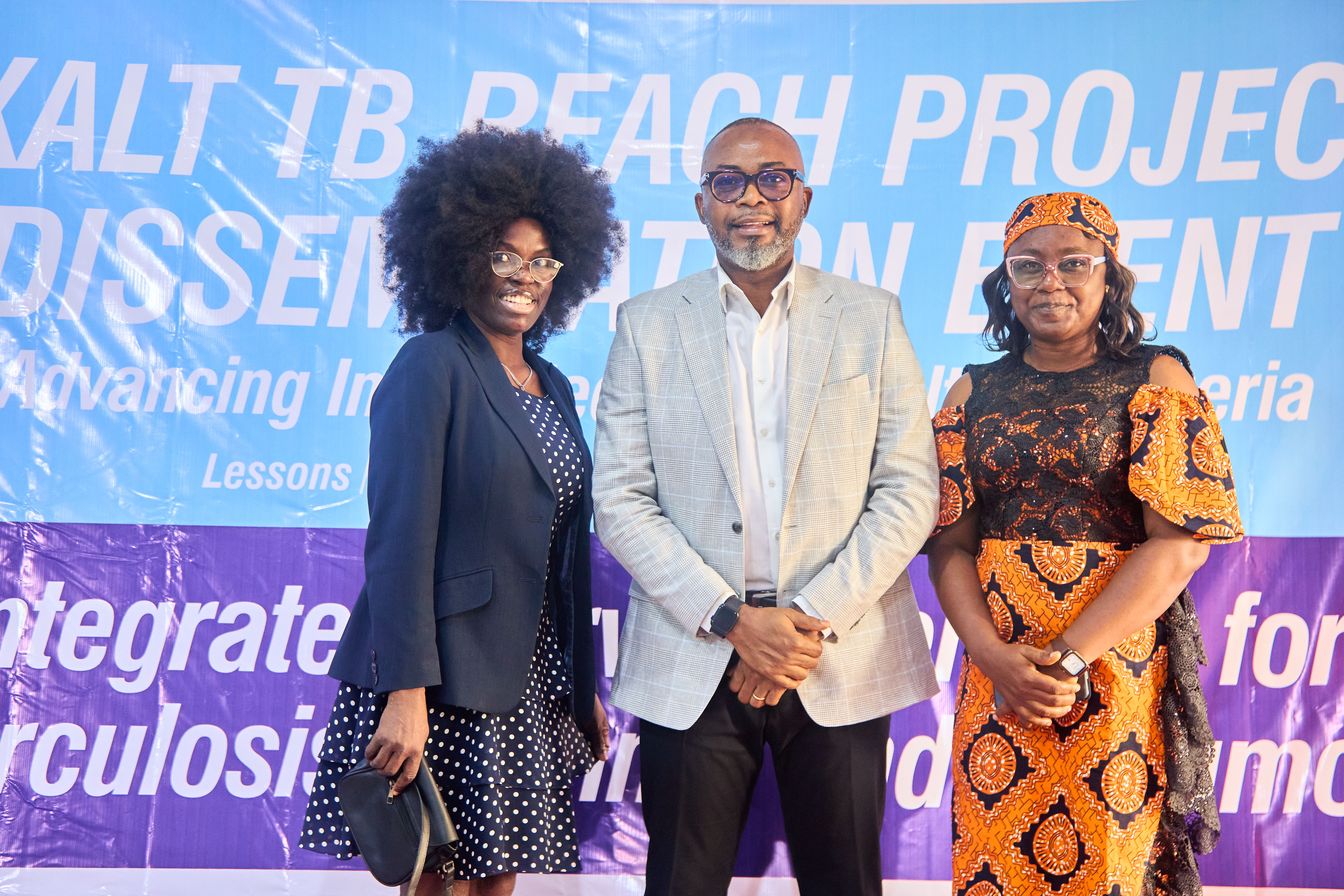
The event also featured a dialogue session focused on strategic partnerships, investment, sustainability, reflections, commitments and next steps. Inset photo is the event MC (left), Dr. Chidimma Anyanwu, Country Director of Project HOPE and Grace, a project team of EXALT TB REACH project
About the Project
The EXALT T-REACH Project was funded by the STOP TB Partnership Geneva through the TB REACH Wave 11 Grant. It was implemented over 22 months, from October 2024 to June 2026, in 15 primary healthcare centres across three local government areas in Niger State.
The project also engaged 30 patent and proprietary medicine vendors and 20 treatment supporters to strengthen community referrals and link people to appropriate care.
The project targeted the general population, with particular attention to miners, migrant populations, pregnant women, children and adolescents.
Key Innovations
The project introduced several innovations to improve lung-health screening, diagnosis, referrals, treatment and data use. These included:
Integrated monitoring, validation and reporting
Tracking and reporting of asthma and pneumonia cascade data among people aged five years and above
A public–private community model linking primary healthcare centres, communities, patent medicine vendors and treatment supporters
Integration of lung-health services into antenatal-care platforms
Use of patient documentation and referral tools to support continuity of care
Symptomatic screening through parallel community screening activities
Integrated screening for TB, asthma and pneumonia in primary healthcare settings
Deployment of spirometers and peak-flow meters to support lung-function testing
Integrated documentation tools for TB, asthma and pneumonia
Deployment of CHIPS tools to primary healthcare centres to support healthcare workers
Use of the Community Technology Application for real-time data reporting
Pneumonia-confirmation alerts for children under five and alerts for suboptimal peak-flow and spirometry results

Major Achievements
The EXALT T-REACH Project recorded significant progress in integrated lung-health service delivery.
Expanded Screening Coverage
A total of 113,935 people were screened, compared with 45,634 people at baseline. Those screened included 50,146 outpatients, 22,469 pregnant women attending antenatal care, and 41,320 children.
Improved Case Detection
The project detected 1,379 cases of TB, asthma and pneumonia, compared with 70 cases at baseline. The results included 259 TB cases (compared with 24 at baseline), 785 pneumonia cases (compared with 20), and 335 asthma cases (compared with 26). These results demonstrate the value of integrated screening in identifying people who may otherwise have remained undiagnosed.
Strengthened Diagnostic Capacity
The project trained 30 primary healthcare workers, 30 community health workers, 15 laboratory personnel and five laboratory focal persons. The project also provided 10 spirometers, 30 peak-flow meters and 15 pulse oximeters. These resources helped strengthen the ability of health workers to assess and manage patients with respiratory symptoms.
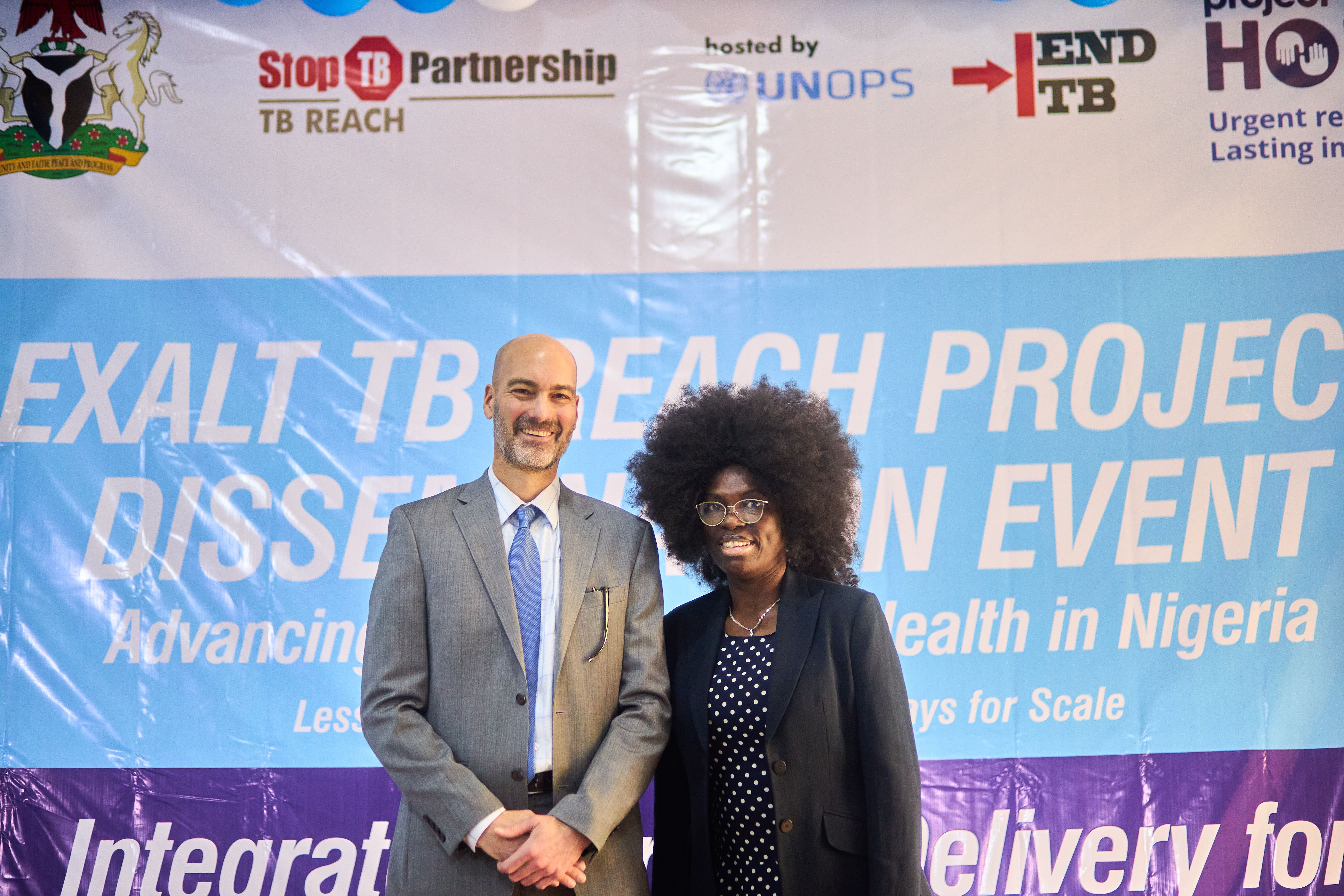
Inset photo is Project HOPE's Sr. Director, Africa Mr. Steve Neri with the Event's MC
Strengthened Community Referrals
Community referrals played an important role in finding and linking patients to care. Community referrals accounted for 28% of TB cases detected, 35% of asthma cases detected, and 13% of pneumonia cases detected. This demonstrates the importance of connecting health facilities with communities and trusted local providers.
Integrated Service Delivery
TB, asthma and pneumonia services were integrated across 15 primary healthcare centres. This helped promote a more coordinated, patient-centred approach to lung-health screening and care.
Improved Data Quality
The project strengthened data quality across the three disease areas through integrated data collection, validation, reporting and real-time monitoring. Better data supported more responsive decision-making and more targeted interventions.
Five Lessons Learned
1. Integration Improves Screening and Case Detection
An integrated, one-stop screening approach improves access to services and increases the likelihood of identifying multiple conditions during the same patient visit.
2. Community Systems Are Critical
Community networks are essential for building strong referral systems, reaching underserved populations and linking patients to appropriate treatment and follow-up care.
3. Stock-Outs Undermine Progress
Shortages of laboratory reagents and medicines can lead to diagnostic delays and treatment gaps. Reliable supplies are therefore essential for sustaining gains in integrated service delivery.
4. Digital Tools Enhance Performance
Real-time data tools improve responsiveness, strengthen monitoring and support more targeted interventions. Timely information enables programme teams and health workers to identify challenges and act quickly.
5. Diagnostics Alone Are Not Enough
Diagnostic equipment and training must be supported by adequate logistics, mentorship, supervision, coordination, medicines and other essential supplies. These elements must work together to achieve sustainable service-delivery results.
Impact of the Project
The EXALT T-REACH Project demonstrated that integrated, people-centred lung-health services are feasible, scalable and impactful in resource-constrained settings. By leveraging existing health systems, digital innovations and community networks, the project expanded access to screening, improved TB, asthma and pneumonia case detection, strengthened diagnostic capacity, improved community referrals, enhanced data quality and reporting, and supported more coordinated and patient-centred care.
The experience from Niger State shows that integrated lung-health services can strengthen health-system sustainability while improving the likelihood that patients receive timely and appropriate care.
Looking Ahead
The dissemination event provided an important platform for stakeholders to reflect on the project's achievements and identify pathways for scale-up. Participants emphasised the importance of continued strategic partnerships, investment, government ownership, reliable supplies, digital innovation and community engagement.
As Nigeria continues to strengthen its response to TB and other lung diseases, the lessons from the EXALT T-REACH Project can support the expansion of integrated screening and care across more communities and health facilities.
Project HOPE's work demonstrates that, with strong partnerships and sustained commitment, integrated lung-health services can improve case detection, strengthen health systems and contribute to better patient outcomes across Nigeria.


Comments