











Top NGO Training Programs for Effective Engagement
Updated: Aug 16

Non-governmental organizations (NGOs) play a vital role in addressing social challenges and improving lives. Yet, the success of these organizations depends heavily on the skills and knowledge of their teams. Effective engagement with communities, stakeholders, and partners requires targeted training programs that build capacity and foster sustainable impact.
In this post, I explore some of the top NGO training programs designed to enhance engagement skills. These programs equip professionals with practical tools to navigate complex environments, communicate clearly, and build trust. I also highlight examples of training services that stand out for their comprehensive approach and relevance to development work.
Why Training Matters for NGOs
NGOs operate in diverse and often challenging contexts. They must understand local cultures, manage resources efficiently, and collaborate with various actors. Without proper training, teams may struggle to connect with communities or deliver meaningful results.
Training programs help by:
Building communication and leadership skills
Enhancing project management and monitoring abilities
Teaching conflict resolution and negotiation techniques
Promoting ethical standards and accountability
Encouraging innovation and adaptability
These skills improve the quality of engagement, ensuring that interventions are relevant and accepted by the people they aim to serve.
Key Features of Effective NGO Training Programs
When selecting or designing training programs, certain features make a significant difference:
Practical and Contextual Content
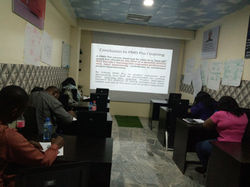
Training should focus on real-world challenges faced by NGOs. Case studies, role plays, and simulations help participants apply concepts directly to their work.
Interactive Learning Methods
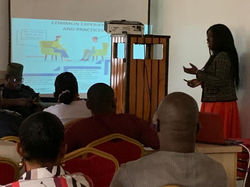
Engagement increases when learners participate actively. Group discussions, workshops, and peer learning foster deeper understanding.
Experienced Trainers
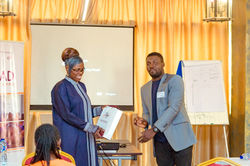
Facilitators with field experience bring valuable insights and credibility. They can tailor sessions to specific regional or sectoral needs.
Flexibility and Accessibility
Programs that offer online modules or blended learning options allow wider participation, especially for remote or busy professionals.
Follow-up Support
Ongoing coaching or access to resources after training helps reinforce skills and encourages continuous improvement.
Examples of Notable NGO Training Services
Among the many options available, some training services stand out for their comprehensive approach and alignment with development sector needs. Here are two examples that illustrate different strengths:
1. Capacity Building Workshops by C4AIK
Type: Training Workshops
Name: Centre For AID Information And Knowledge (C4AIK) Capacity Building
Description: C4AIK offers tailored workshops focusing on skill development for NGOs in Nigeria. Their programs cover project management, community engagement, and monitoring and evaluation. They emphasize practical tools and local context, helping organizations improve performance and sustainability.
C4AIK’s workshops are designed to empower individuals and organizations to achieve sustainable positive impacts. Their approach includes interactive sessions and follow-up support, making learning continuous and relevant.
2. Global NGO Leadership Program by NGO Academy
Type: Online Training Program
Name: NGO Academy Global Leadership Program
Description: This program targets emerging NGO leaders worldwide. It offers modules on strategic planning, fundraising, and stakeholder engagement. The online format allows participants to learn at their own pace while connecting with peers globally.
The NGO Academy program is ideal for professionals seeking flexible learning combined with a global perspective. It includes mentorship and networking opportunities, which enhance leadership capacity.

How to Choose the Right Training Program
Selecting the best training depends on your organization's goals, resources, and context. Consider these factors:
Relevance: Does the program address your specific challenges and sector?
Format: Is it in-person, online, or blended? Which suits your team best?
Duration: Can your team commit the necessary time?
Cost: Are there affordable options or scholarships?
Support: Does the program offer follow-up or coaching?
For example, if your NGO operates mainly in Nigeria and values hands-on learning, C4AIK’s workshops might be a good fit. If you prefer flexible online learning with a global network, the NGO Academy program could be more suitable.
Building Engagement Skills Through Training
Effective engagement requires more than knowledge; it demands skills that foster trust and collaboration. Training programs often focus on:
Communication: Clear messaging and active listening improve relationships with communities and partners.
Cultural Sensitivity: Understanding local customs and values prevents misunderstandings.
Conflict Resolution: Managing disagreements constructively maintains cooperation.
Leadership: Inspiring and guiding teams ensures coordinated efforts.
Monitoring and Evaluation: Tracking progress helps adjust strategies and demonstrate impact.
By developing these skills, NGO staff can better connect with stakeholders and deliver programs that truly meet community needs.

The Role of Technology in NGO Training
Technology has expanded access to quality training. Online platforms allow NGOs to reach more people and offer diverse learning materials such as videos, quizzes, and forums.
Some programs integrate mobile learning, enabling participants to study on the go. This flexibility is crucial for busy professionals and those in remote areas.
However, technology should complement, not replace, personal interaction. Blended learning models that combine online and face-to-face sessions often yield the best results.
Final Thoughts on NGO Training Programs
Investing in training is essential for NGOs aiming to improve their engagement and impact. The right programs provide practical skills, build confidence, and foster collaboration.
Whether through local workshops like those offered by C4AIK or global online courses such as the NGO Academy’s leadership program, training helps organizations adapt and thrive.
I encourage NGOs and development professionals to explore available training options and choose those that best fit their needs. Continuous learning is key to making a lasting difference in communities.
For those interested, exploring NGO training programs can be a valuable first step toward stronger engagement and better outcomes.
This post is for informational purposes only and does not constitute professional advice.


Comments